Agrinutrition
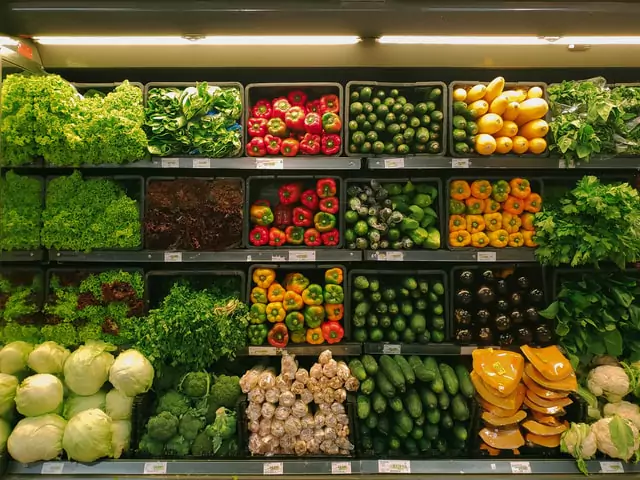
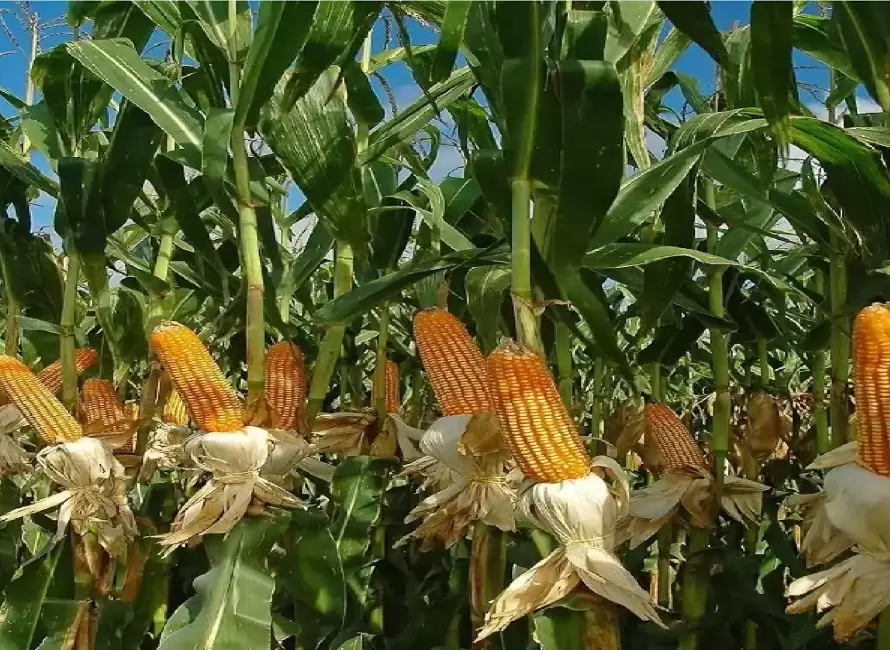
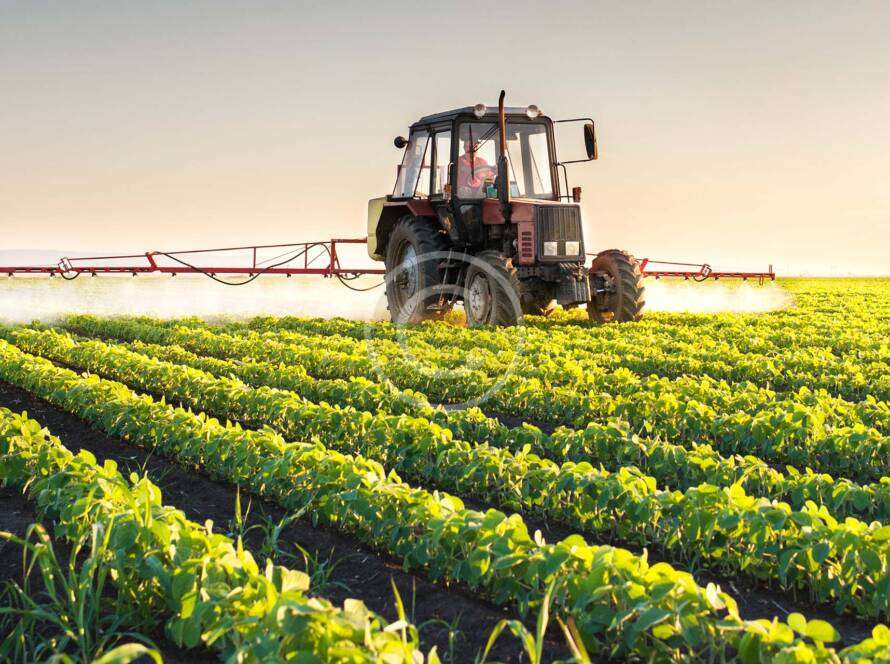
Agri-Food is defined as the entire food chain from the field to the store shelf, including processes such as production, processing and distribution.
Today, if you type “AGRINUTRITION” into a computer search engine, you will find tens of thousands of results. This means that it is a well-known and widely established word: since 2011, the study by McKinsey & Co. entitled “Greece ten years ahead” ranks agri-food as one of the most important pillars of development for Greece. Today, agri-food, together with culture, tourism and professional services, is a clear element for local and regional development, with many potentials and elements of development.
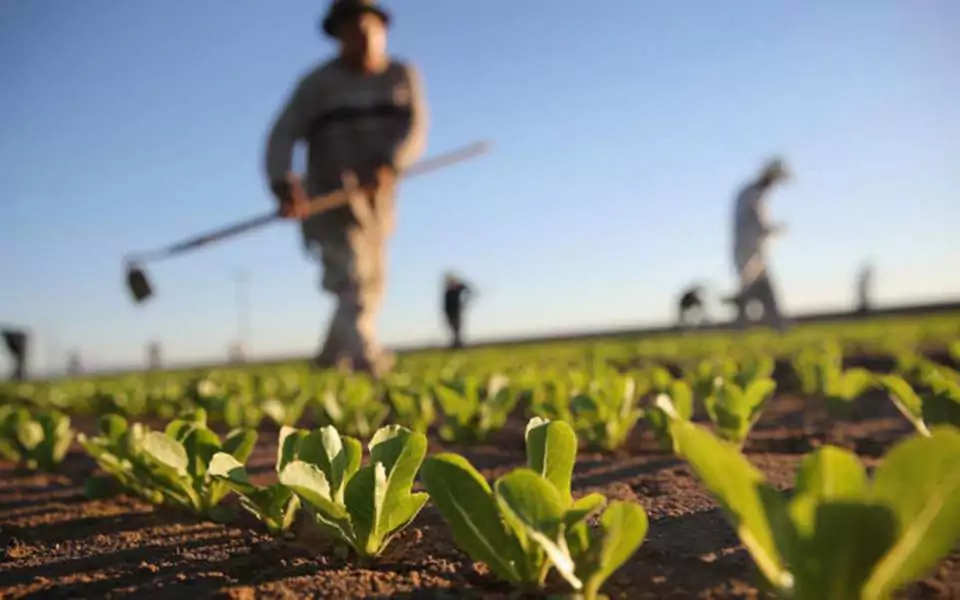
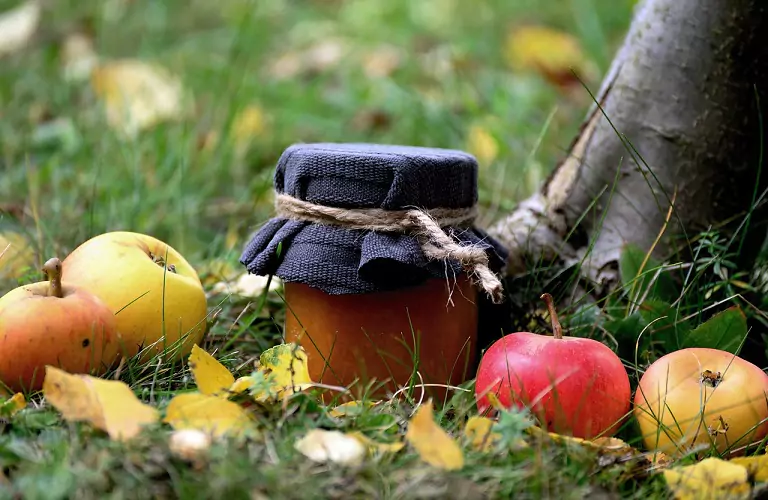
At the same time, recent years have seen the development of a consumer behavior that encourages a return to traditional and pure local products, mediated by educational standards, health care facilities, the need to “connect” and “identify” with home and “Mother Earth”, environmental awareness and the need for “separated consumption” – mainly by the upper economic classes. This post-consumer behavior increasingly “pushes” the need to produce superior products with added value. This is either real quality (raw materials), certified quality (compounds, marks, ISO, HACCP, etc.), or symbolic quality (uniqueness, lifestyle, tradition, identity, etc.).
Necessary initiatives
“Restless consumption”, rich scientific research and market studies have made agricultural products a very important part of our economic, cultural and social life. Thus, we should be able to plan our future more effectively by better understanding the present. To achieve this, the necessary and appropriate initiatives are required. These initiatives include:
- Documentation, research and investigation of traditional foods and recipes, their historical significance and their harmonization with legislation and consumer requirements.
- Certification and special attestations (PDO, PGI, PGI, PGI, PGI) to increase consumer confidence and preference.
- Decentralization of knowledge, in which scientists and producers work together to achieve better, more and better quality food by learning the peculiarities of their region and the “basket of products”.
- Partnerships – Synergies – involvement of higher education institutions at inter-municipal and regional level for better organization, prioritization and documentation.
- Supporting isolated areas, promoting producers and increasing economic impact to ensure the survival of villages and communities.